
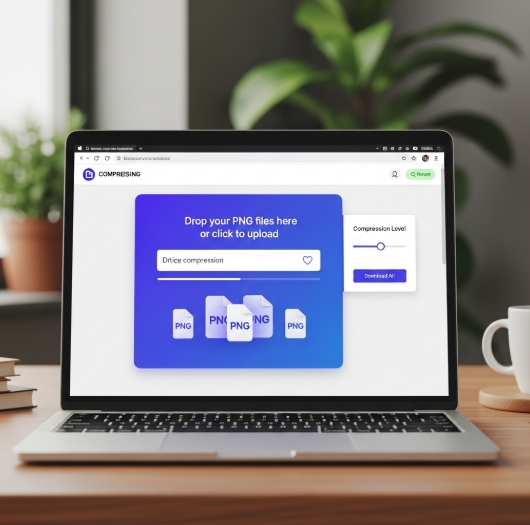

Reduce your PNG file sizes without losing quality. Discover simple methods for web, design, and sharing.
Online tools offer a straightforward solution for shrinking the size of your PNG image files. Whether you’re preparing images for a website, sending them via email, or simply want to free up storage space, compress PNG images online utilities are invaluable. These tools work by removing unnecessary data from the file without affecting the visual integrity of the image. This process is crucial for optimizing loading times on websites and ensuring smooth sharing experiences.
Many users encounter large PNG files that consume excessive bandwidth or take too long to upload. Fortunately, you can compress PNG images online with just a few clicks. The key is to find a reliable service that balances compression ratios with image quality, ensuring your visuals remain crisp and clear after the reduction. This guide will walk you through the benefits and simple steps of using these online compressors effectively.
The convenience of online PNG compression means you don’t need to install any special software. These tools are accessible from any device with an internet connection, making them ideal for quick edits and on-the-go adjustments. Understanding how these tools work can help you leverage them to their full potential, making your digital assets more manageable and efficient.
Why Compress PNG Images?
PNG files are popular for their lossless compression, meaning no data is lost during compression, preserving excellent image quality. However, this often results in larger file sizes compared to formats like JPEG. Large PNGs can negatively impact website performance by increasing page load times, which is detrimental to user experience and search engine rankings. For designers and developers, optimizing these files is a critical step in the workflow.
Furthermore, large image files can be cumbersome to share via email or messaging applications. Many services have file size limits, and oversized PNGs can cause upload failures or require recipients to wait longer for downloads. Compress PNG images online helps overcome these limitations, making file transfer smoother and more efficient for everyone involved. It’s about striking a balance between maintaining visual fidelity and achieving practical file sizes.
Understanding PNG Compression Methods
Online tools typically employ two primary methods for PNG compression: lossless and lossy. Lossless compression reduces file size by removing redundant metadata and optimizing the internal structure of the PNG file without discarding any pixel data. This means the image quality remains absolutely identical to the original, making it ideal for graphics where every detail matters, like logos or screenshots.
Lossy compression, while less common for PNGs if high fidelity is the goal, can achieve significantly smaller file sizes by selectively discarding some image data. This is more akin to how JPEG compression works. If the discerning eye can barely detect any difference, it can be a viable option for certain use cases where file size is paramount. Most reputable online tools will offer lossless compression as their default, or at least as a primary option, ensuring you compress PNG images online effectively.
Simple Steps to Compress PNG Images Online
Using an online PNG compressor is generally a very intuitive process. Most platforms are designed for ease of use, requiring minimal technical expertise. You can typically upload your image, let the tool process it, and then download the compressed version. It’s a quick and efficient way to manage your image files.
Here’s a general outline of how to compress PNG images online:
- Choose a Reliable Online Tool: Search for reputable online PNG compression websites. Look for ones that offer clear information about their compression methods and user reviews.
- Upload Your PNG File: On the chosen website, you’ll find an upload button or a drag-and-drop area. Select the PNG file(s) you wish to compress from your computer or device.
- Select Compression Options (If Available): Some tools allow you to choose between lossless and lossy compression, or adjust a quality slider. For best results, opt for lossless compression if available.
- Start the Compression Process: Click the “Compress,” “Optimize,” or similar button. The website will process your image on its servers.
- Preview and Download: Once processed, you’ll usually see a preview of the compressed image and its new file size compared to the original. If you’re satisfied, download the optimized PNG file to your device.
Important Considerations for Quality and Safety
When you compress PNG images online, it’s essential to prioritize quality. While reducing file size is the goal, you don’t want to sacrifice the visual appeal of your images. Always preview the results if the tool offers this feature. A good compressor will make noticeable reductions in file size with little to no perceptible difference in image quality.
Regarding safety, reputable online tools are generally secure. They process your files on their servers and typically delete them after a short period. However, it’s wise to avoid uploading highly sensitive or confidential images to unknown or untrusted websites. Always ensure you are using a well-established service with clear privacy policies. For personal or proprietary images, consider desktop applications that offer offline compression.
Keeping Your Compressed PNGs Optimized
After you compress PNG images online, maintaining this optimization is key for ongoing efficiency. Regularly review your image assets, especially those used on websites or frequently shared. Implementing an image optimization workflow that includes compression as a standard step can save significant time and resources in the long run.
For web developers, integrating image optimization tools directly into the build process or using content delivery networks (CDNs) with automatic optimization features can ensure all images are served in their most efficient format. This proactive approach helps maintain fast loading speeds and a positive user experience. By consistently managing file sizes, you ensure your digital content performs at its best.
Common questions about compress PNG images online
What is the best free online tool to compress PNGs?
While “best” can be subjective, many users find tools like TinyPNG, Compressor.io, and iLoveIMG to be highly effective and user-friendly for lossless PNG compression. They offer good compression ratios with minimal quality loss.
Does compressing PNGs reduce image quality?
Lossless compression methods do not reduce image quality at all. Lossy compression can reduce quality slightly, but good tools minimize this impact, making it unnoticeable to the average viewer.
Can I compress multiple PNG images at once?
Yes, many online PNG compressors allow you to upload and compress multiple images in a single batch. This feature significantly speeds up the optimization process for large projects.
How much can I expect a PNG file to be reduced?
The reduction varies greatly depending on the original image content and its metadata. You can typically expect file size reductions ranging from 10% to 70% or even more, especially with lossless optimization of complex images.
Is it safe to upload my images to online compressors?
Reputable online tools are generally safe, processing your files securely and often deleting them afterward. However, avoid uploading highly sensitive or proprietary images to unknown websites to ensure privacy.
Compressing PNG images online is an accessible and powerful technique for managing digital assets. By understanding the methods and following simple steps, you can significantly reduce file sizes without compromising visual quality. This optimization is crucial for web performance, efficient sharing, and overall digital workflow management, making it a skill worth mastering for anyone working with images.